
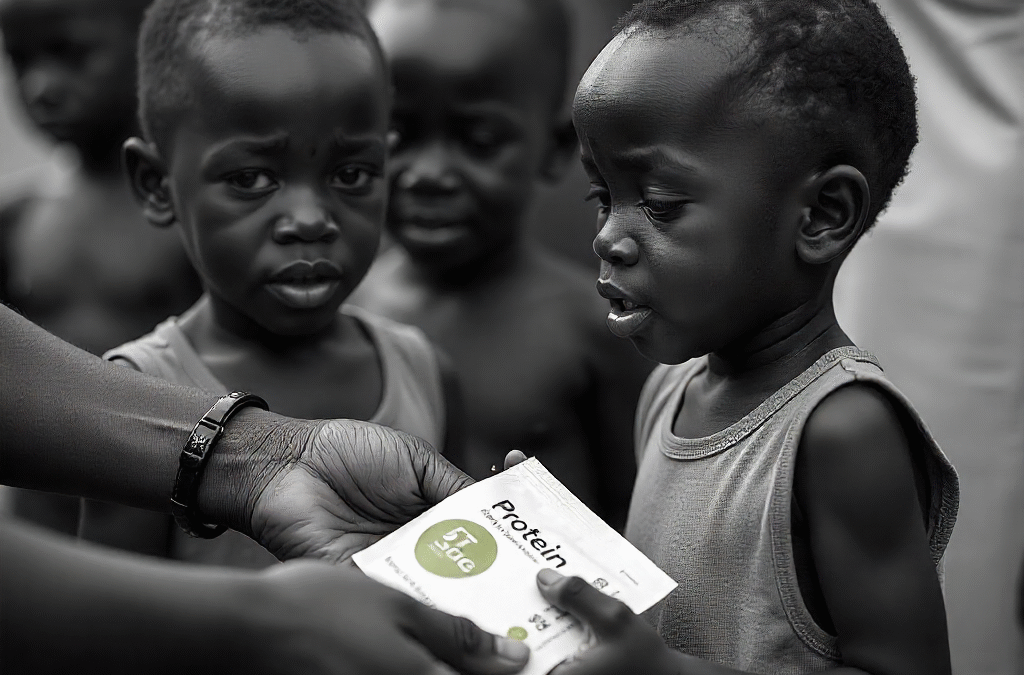
Hidden hunger is one of Nigeria’s most urgent yet least visible challenges.
It happens when people consume enough calories but still lack essential vitamins and minerals needed for healthy growth, strong immunity, and proper brain development. The effects may not always show immediately, but over time, they can lead to weakened immunity, learning difficulties, pregnancy complications, and even preventable deaths.
Globally, more than two billion people live with micronutrient deficiencies. In Nigeria, the situation is particularly concerning. One in three children under five is deficient in vitamin A, leaving them more vulnerable to infections and vision problems. More than half of women of reproductive age are anemic, largely due to iron deficiency. These gaps in nutrition quietly undermine health, productivity, and long-term development across communities.
The good news? The solution is not far away.
Across Nigeria, indigenous foods that have nourished generations are already rich in the nutrients needed to close these gaps. By returning to these foods and using them intentionally, families and communities can fight hidden hunger using what they already grow, sell, and cook every day.
Here are some powerful local foods already helping to change the story.
Moringa: The “Miracle” Leaf with Real Impact
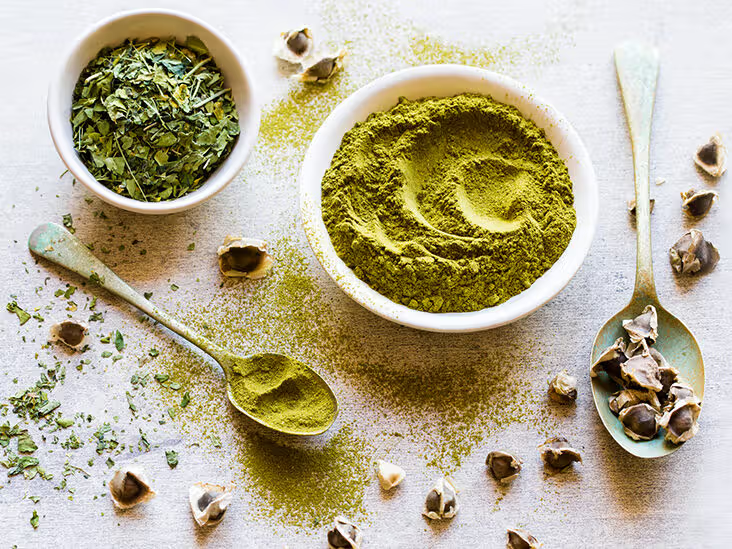
Moringa is one of the most nutrient-dense plants commonly grown in Nigeria. Its leaves are rich in iron, calcium, protein, and vitamins A and C, making them especially valuable for children and pregnant women.
Studies show that adding moringa leaf powder to meals can support weight gain in undernourished children and help reduce anemia in toddlers. It is often dried, powdered, and added to soups, stews, or pap, making it easy to use even in small quantities.
However, while moringa leaves are safe when used properly, other parts of the plant, such as the roots and bark, should be avoided during pregnancy due to potential risks. When used responsibly, moringa leaves remain a powerful, affordable tool for improving daily nutrition.
Pumpkin Leaves (Ugu): Supporting Blood Health Naturally
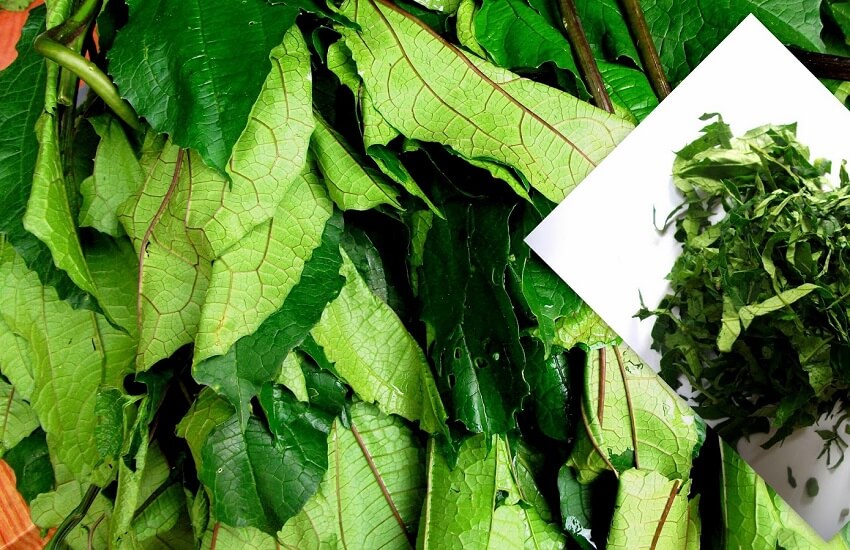
Ugu, or fluted pumpkin leaves, are a staple in many Nigerian kitchens, and for good reason. These dark green leafy vegetables are rich in iron, vitamin A, folate, calcium, and vitamin C, all nutrients critical for blood formation, immunity, and growth.
For generations, ugu has been used as a natural blood tonic, especially for women and children. A single serving can significantly boost iron intake, helping to prevent anemia while also supporting vision and immune health.
Because pumpkin leaves are easy to grow and widely available, even small additions to soups and sauces can greatly improve the nutritional value of meals. Encouraging home gardens and consistent use of ugu is a simple but effective way to strengthen family nutrition.
Millet: An Ancient Grain for Modern Nutrition Challenges
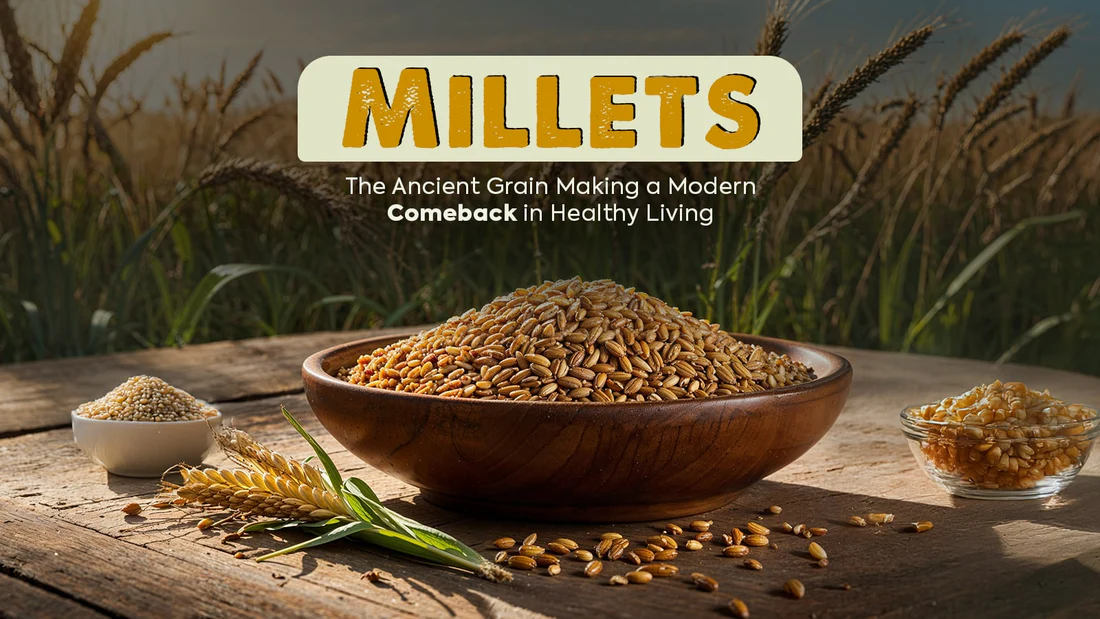
Millet has long been a staple in northern Nigeria, enjoyed in foods like kunu and fura. Beyond being filling, millet is naturally rich in iron, zinc, fiber, and B vitamins.
Regular consumption of iron-rich pearl millet has been shown to improve hemoglobin levels and cognitive function in children, especially when biofortified varieties are used. For women, millet-based meals can contribute significantly to daily iron needs.
Millet is also drought-tolerant and climate-resilient, making it a reliable crop for smallholder farmers. Replacing refined grains with millet in meals such as pap, pancakes, or porridge is a practical way to improve nutrition while supporting local agriculture.
Beans (Cowpeas): Affordable Nutrition for Stronger Families
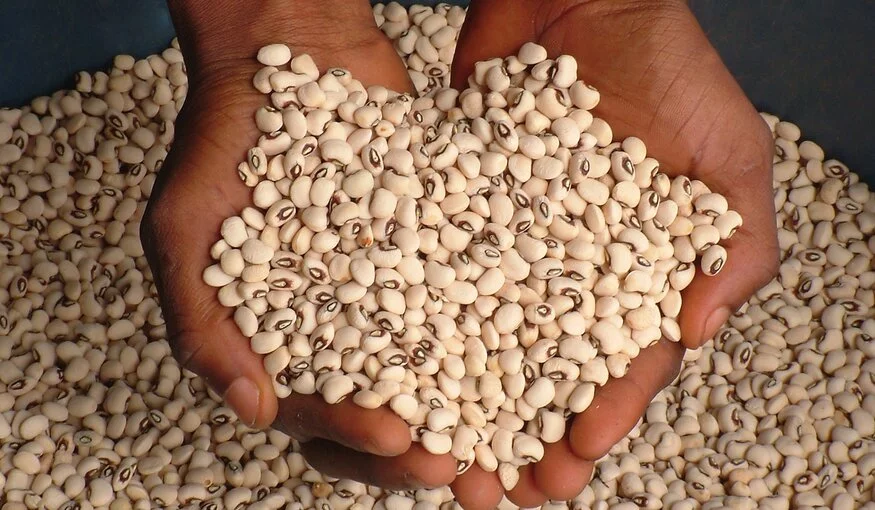
Beans, particularly cowpeas, are a cornerstone of Nigerian diets. Found in meals like moin-moin, akara, and bean porridge, cowpeas are packed with plant protein, iron, folate, zinc, and magnesium.
Just one serving can meet a large portion of daily folate needs, which is essential for healthy pregnancies and proper blood formation. Beans also help stabilize energy levels due to their high fiber content and low glycemic index.
Often called “the poor man’s meat,” beans are one of the most affordable and accessible nutrient-rich foods in Nigeria. Including them in meals several times a week can dramatically improve diet quality for low-income households.
Orange-Fleshed Sweet Potato: Nature’s Vitamin A Boost
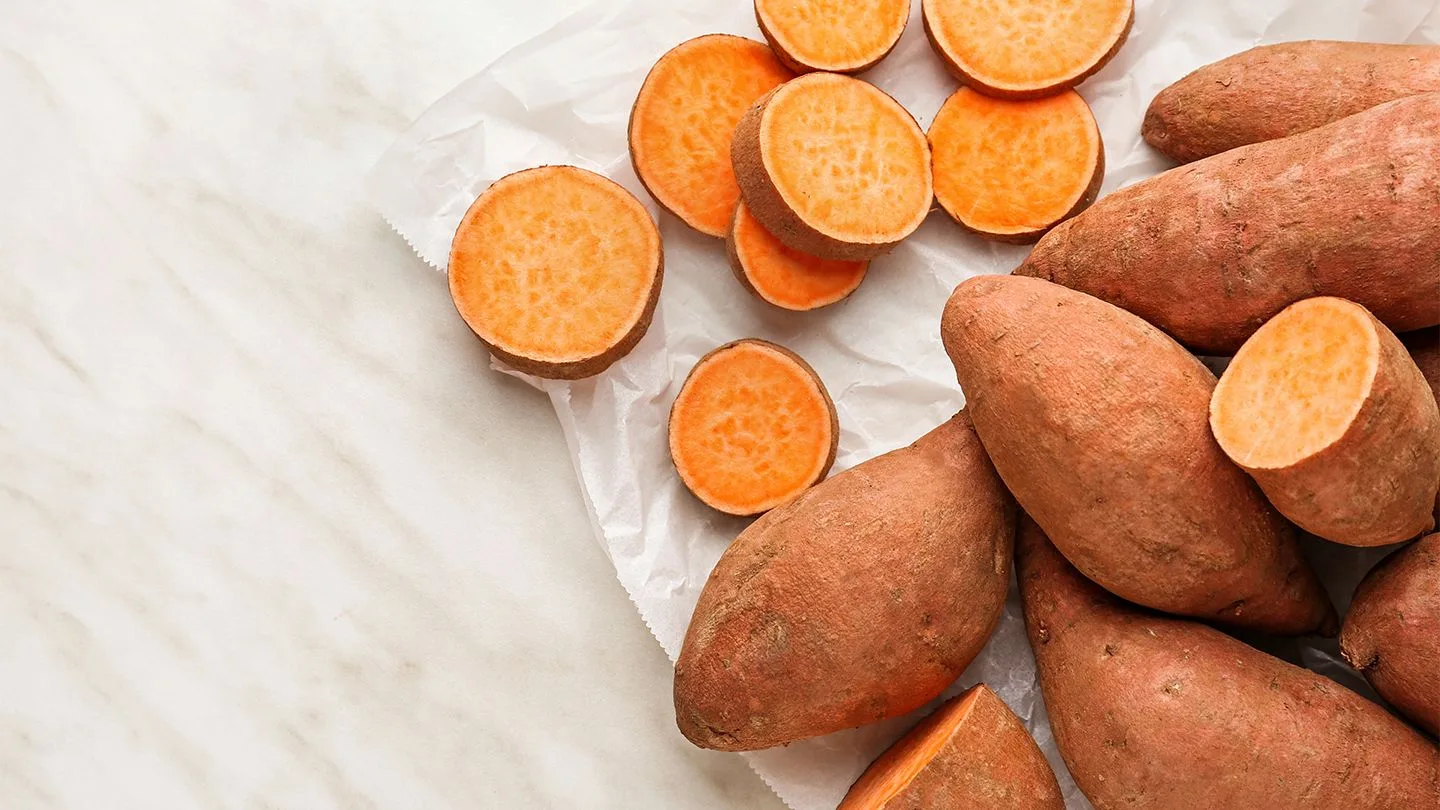
Orange-fleshed sweet potato stands out among root crops for its exceptionally high vitamin A content. Unlike white or yellow varieties, the bright orange flesh provides enough vitamin A in just one serving to meet daily needs for children and women when eaten regularly.
Vitamin A is essential for strong immunity, healthy eyesight, and proper growth. Orange-fleshed sweet potatoes are easy to cook, naturally sweet, and widely accepted by children, making them ideal for home meals, school feeding programs, and community nutrition efforts.
As more farmers adopt this variety, it offers a sustainable, food-based solution to vitamin A deficiency without relying on supplements.
Community Solutions: How Community Pot Is Making a Difference
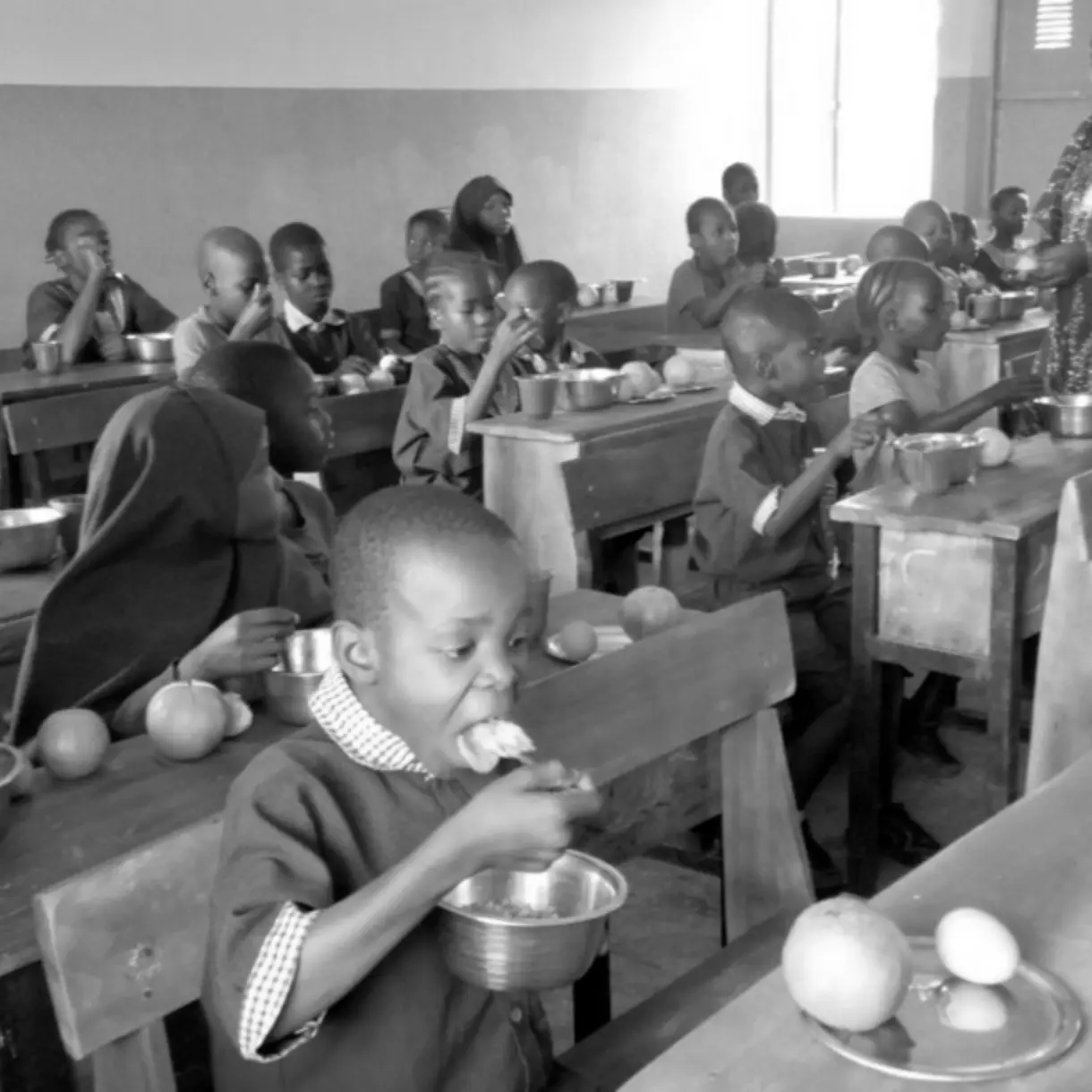
Across Nigeria, community-led initiatives are proving that local foods can drive real change.
Through Nutrition Support Centers, Community Pot provides cooked meals to children facing hunger, using familiar ingredients like millet, groundnuts, pumpkin leaves, moringa, and legumes. These meals are carefully prepared to meet children’s nutritional needs using foods they already recognize and enjoy.
Community Pot also works closely with mothers, equipping them with practical knowledge on how to prepare balanced meals using local ingredients. Thousands of women have learned simple, affordable ways to improve family nutrition, and since 2022, over 1,000 children have received regular, nutrient-dense meals through Community Pot’s programs.
These results show that ending hidden hunger does not require imported solutions. It requires commitment, education, and smart use of what already exists in our communities.
The Power to End Hidden Hunger Is on Our Plates
Hidden hunger thrives in silence, but it can be defeated with intention.
Moringa, ugu, millet, beans, and orange-fleshed sweet potato are more than traditional foods. They are tools for healthier children, stronger mothers, and more resilient communities.
When families add these foods to daily meals, when schools include them in lunches, and when communities support local food systems, the impact is immediate and lasting.
At Community Pot, we believe the power to end hidden hunger is already in our hands and on our plates. By choosing local, nourishing foods and sharing knowledge within our communities, we can raise a generation that grows strong, learns better, and thrives.